A Guide to First, Second, and Third-Party Games
Introduction
Understanding first-, second-, and third-party games is vital for industry professionals and gamers alike. These distinctions define how developers interact with platform holders, especially around exclusivity. So, what do these terms mean? This post breaks down each category and explains why they matter in gaming. Let’s get started.
Now that we've introduced the importance of understanding these categories, let's start by clarifying what a first-party game is.
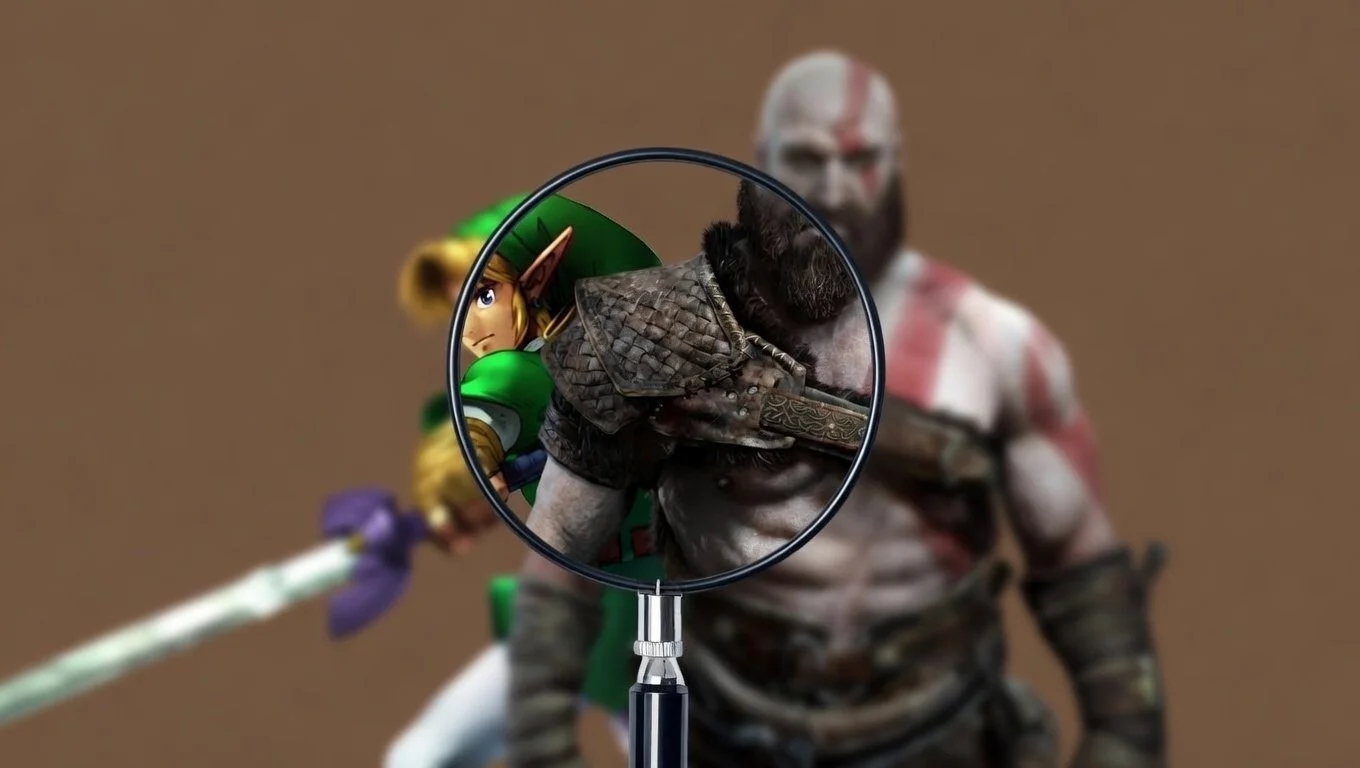
A first-party title is a game fully funded and owned by a platform holder, with development typically handled by the company’s internal teams. Notable examples include Mario, The Legend of Zelda, God of War, Horizon, and Gran Turismo. These games are often considered system sellers—exclusive titles that showcase a console’s unique strengths. Traditionally, first-party games have been locked to their respective platforms (for instance, Mario only on Nintendo consoles). However, this exclusivity has softened over time, as some titles, such as Horizon, have become available on other platforms, such as PC.
After exploring first-party games, next we have second-party games, which offer a different relationship with platform holders.
Second-party games fall between first- and third-party titles. First-party games are fully funded by a platform holder, while second-party games are developed by independent studios in close partnership, often through contracts or partial ownership. Typically, the studio retains some intellectual property rights, rather than the platform holder owning it outright. Examples include Game Freak, Rare (before Microsoft's acquisition), HAL Laboratory, and Intelligent Systems.
Once we understand first- and second-party titles, it’s important to recognize third-party games and how they stand apart.
Third-party games are developed and funded entirely by companies that are independent from the platform holders. Unlike first- and second-party developers, third-party developers have no direct financial or contractual ties to console manufacturers and retain full ownership of their intellectual property. This leaves them open to develop and publish their games on whichever platform they desire.
Examples of third-party franchises include Final Fantasy, Mega Man, Monster Hunter, Resident Evil, DOOM, and Wolfenstein.
Industry Impact
So, we’ve gone through each category and documented what makes them distinct. Now, it’s time to dive into the the real significance of these games. The tremendous impact these categories have on the gaming industry as a whole, and on the experiences of gamers everywhere. From shaping platform identities to influencing consumer choices and the competitive landscape, the roles these games play go far beyond their development origins.
Exclusivity
Exclusivity is a topic that can elicit excitement for some and scorn from others. It is mainly found in first- and second-party games but can apply to third-party titles. For first-party titles, a company will often keep the game exclusive to drive consumers to its own platform. Nintendo is the go-to example. Mario, Zelda, Metroid, Pikmin, and many more serve as the perfect means to get people onto the Nintendo platform and into the ecosystem. You’re leaning on the franchise’s popularity to drive people to pick up your platform, as it is the only way to play these big titles. You can see this in their own sales data: Mario Kart sold almost 71m units, with Animal Crossing: New Horizons and Super Smash Bros. Ultimate at 49.32m and 37.44m, respectively.
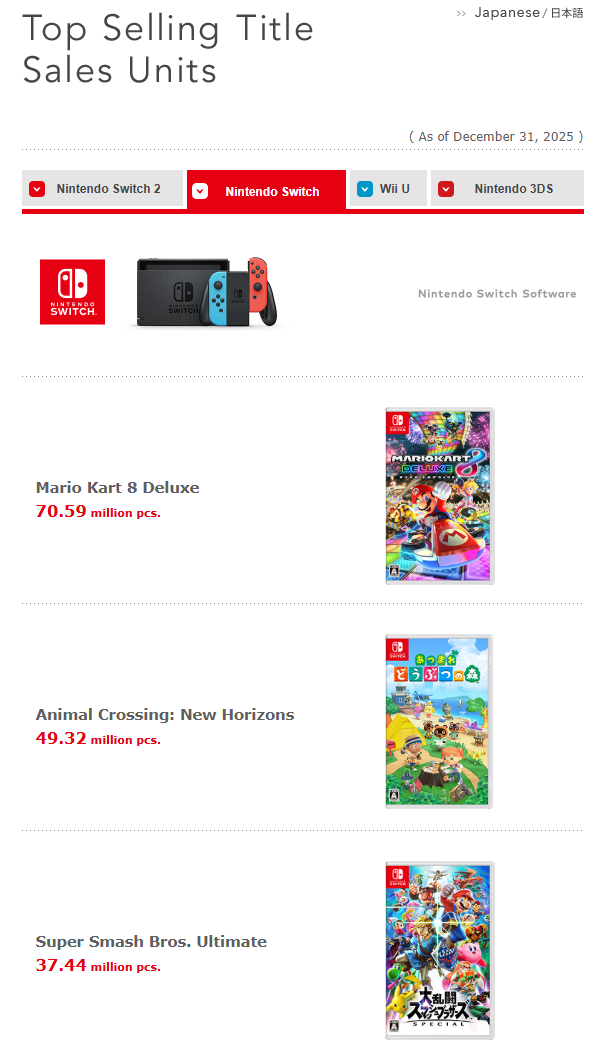
Exclusivity helps drive console sales.
Influence on Platform Success
Now, this feeds into the next point. The impact each game type has on platform success. I am not going to go into much detail about first-party games as their influence has been covered pretty extensively under exclusivity. Second- and third-party games play a vital, complementary role alongside first-party titles. While first-party games often define a platform’s identity, it’s the combined strength of second- and third-party releases that truly rounds out a console’s library. These partnerships and external contributions fill gaps, introduce variety, and ensure gamers have a diverse and compelling selection of experiences—making the overall lineup far stronger than what first-party efforts alone could achieve.
Conclusion
As we’ve seen, the distinctions between first-, second-, and third-party games shape not only the industry but also our experiences as gamers. Each one carries its own distinctions and similarities while maintaining the same vision: To entertain. To inspire. To bring joy to players all around the world. If I were to put the relationship between these different game categories, it would be this: First-party games form the foundation—the identity—of a platform. It is the second- and third-party games that weave together with first-party titles, creating a rich and diverse library that defines a platform’s true appeal. While first-party exclusives often set the stage, it’s the interplay with second- and third-party offerings that fills out the experience, ensuring there’s something for every kind of gamer.