In a World of Permacrisis, Cozy Games are the Cure
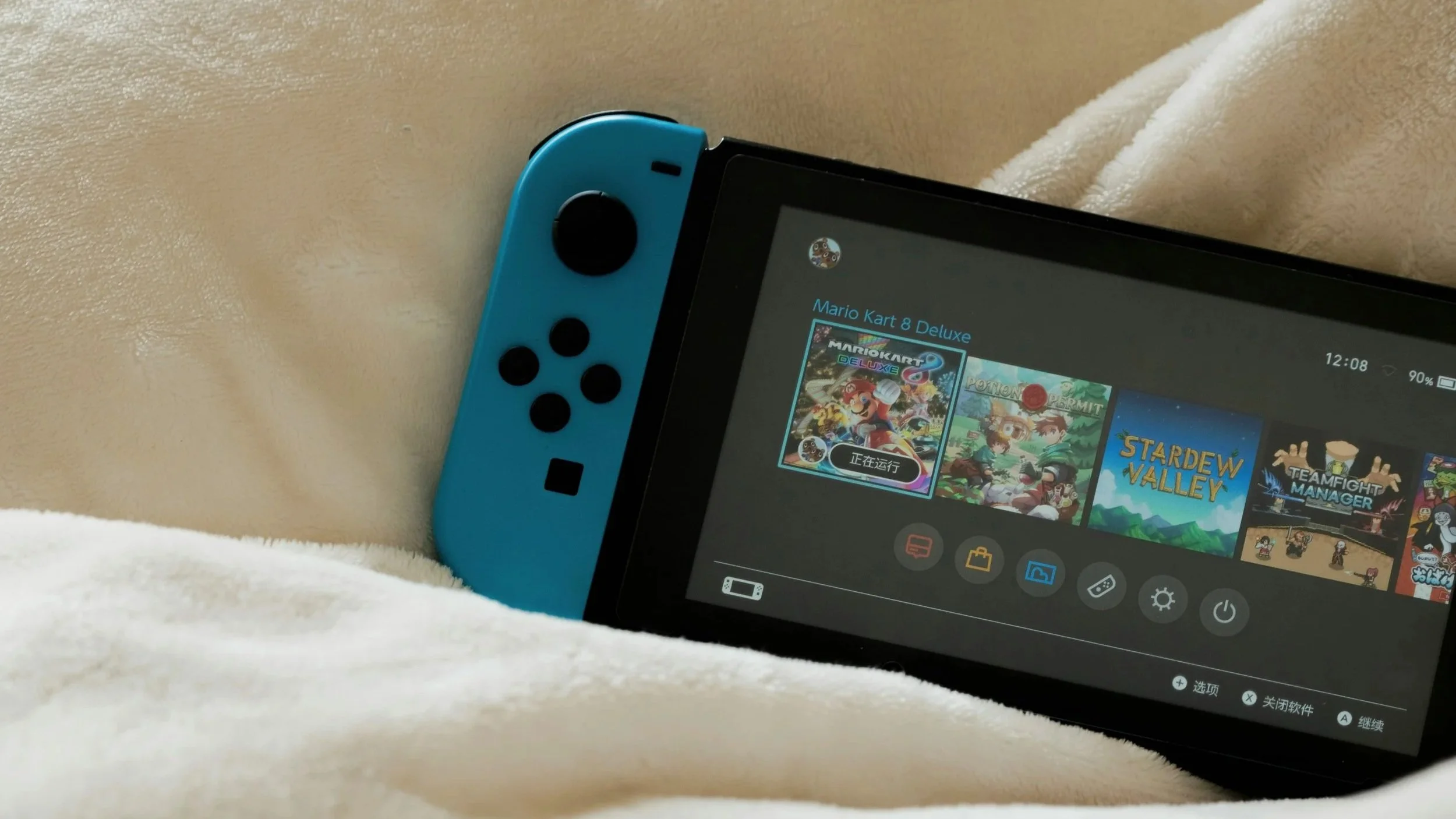
Photo by ooneiroslyl on Unsplash
Introduction
Stress is a real thing that touches all of us. It affects not just our mental state but also our physical well‑being. It can come from anywhere, ranging from work, home, world events, or even the people we love. And for many of us, myself included, video games have always been a way to step back from those pressures. Not to erase them, but to escape them for a little while.
But what do you do when even that escape starts to feel heavy? When saving the world, mowing down demons, battling cosmic evils, or even just trying to fix the traffic in my city, despite knowing full well that these people will never use the roads I build, does it start feeling less like fun and more like a chore?
That’s where something a little more…cozy comes into play.
Cozy games have existed for decades, quietly offering players a wholesome way to relieve stress. Rather than focusing on heroism and high stakes, these games create experiences centered on comfort, relaxation, and taking it easy. In a time when stress feels constant, cozy games have become more valuable than ever.
Today, I want to reflect on what cozy games really are, why they matter, and why so many of us find refuge in them. To help set the scene, close your eyes, take a deep breath, and let’s dive in.
Defining “Cozy Games”
If I were to ask you what images come to mind when you hear the word cozy, what would you say? Warm perhaps? Soothing? Relaxing, maybe? In the context of video games, a cozy game is one that provides comfort, contentment, or a feeling of ease. The games I am talking about are those where there isn’t some looming evil to defeat, no princess to save, and no world begging you to solve all of their problems.
Stardew Valley is my go‑to example. The premise is simple: your grandfather passes away and leaves you his farm. You, tired of the noise and grind of the big city, decide to take over and start fresh. That’s it. No prophecy. No chosen‑one narrative. Just a farm, a town, and the freedom to shape your days however you want.
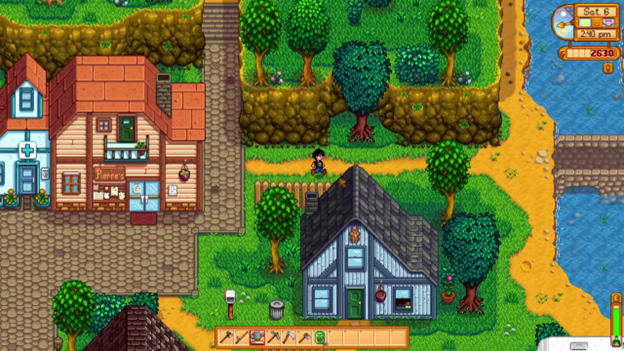
Image from Stardew Valley by ConcernedApe.
A simple concept, but one that has brought immense joy. Just running a farm and getting to know the people of this little community brings a sense of peace. I oversee my farm, water my crops, and spend time with my cat, Patches. In the afternoons, I go fishing or dive into the mines. There’s combat, but it never overshadows the game’s heart; it complements it. It’s a rhythm that feels restorative rather than demanding. I’ve spent well over 400 hours in Stardew Valley, and it’s one of my all‑time favorites.
Animal Crossing: New Horizons is another great example. The game launched at the perfect time, arriving during the early days of the COVID-19 pandemic. It instantly became a lifeline for millions stuck inside. In a time of lockdowns and social distancing, the game offered something simple and soothing. Players got a deserted island to shape at their own pace. Fishing to fill the aquarium, hunting for furniture to decorate your home, and farming tarantulas to pay off your debt to Tom Nook—at least until Nintendo patched it and ruined my financial strategy (not salty btw). The game gave players a sense of control and stability. When the world feels like it’s falling apart, I can still get that last piece of furniture to complete my house.
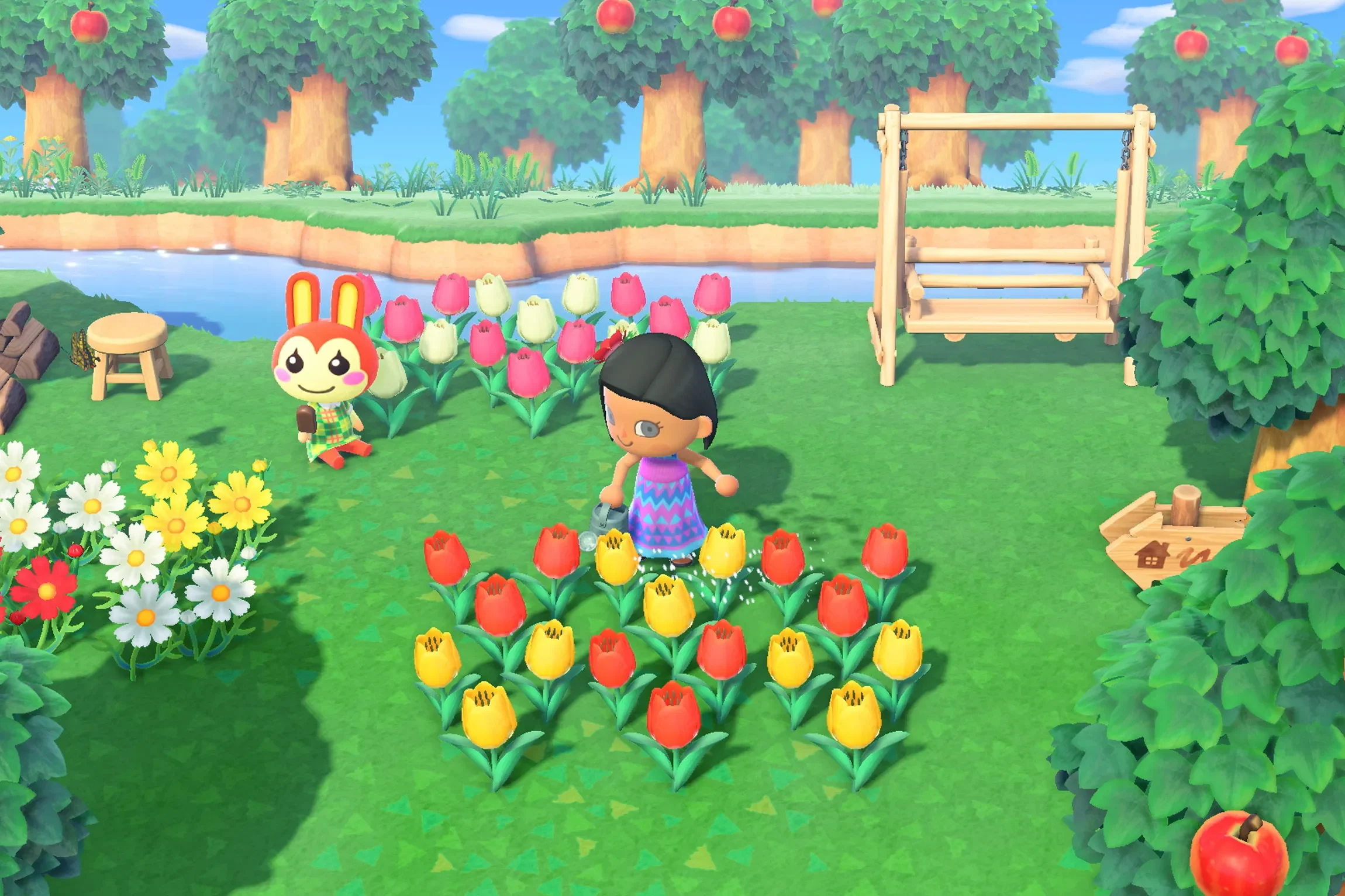
Image from Animal Crossing: New Horizons by Nintendo.
But bridging these pandemic chasms is what New Horizons truly became known for. Beyond connecting DOOM and Animal Crossing with the release of Eternal and New Horizons on the same day, March 20, 2020, the game did something far more meaningful. It connected people at a time when connection felt impossible. From friends visiting each other’s islands when they couldn’t visit each other’s homes to even weddings, Animal Crossing: New Horizons brought people together even when the whole world was falling apart.
A Different Kind of Play
To see why these games are a refuge, we have to look at how they differ from “traditional gaming.” Most games are built on Conflict and Resolution: a wall stands before you, and you must break it down. In contrast, cozy games are built on Rhythm and Presence. Instead of asking you to overcome, they invite you to exist, build, and create.
Finding Calm in Digital Spaces
Action games are like a heavy metal concert. They are loud, demanding, and visceral. The flashing lights, the wall of sound, and the physical energy of the crowd force you to be 100% present in a high-intensity moment. Your adrenaline spikes, your focus narrows to a laser, and you leave feeling exhausted but "purged" of your pent-up frustration. In contrast, cozy games are the digital equivalent of lo-fi music. It’s slower and more subdued, intended the create a warm, cozy atmosphere.
The Shift: Catharsis vs. Restoration
Action games offer catharsis. You let out your frustration in an explosive burst. Maybe you blast demons with Slayer on in the background or beating up your least favorite Smash Bros. character.
Cozy games are the big exhale. They let you release life’s worries and enjoy a smooth experience. This might be fishing for an elusive fish or raising gold-star crops for the community center. Rather than a cathartic release, cozy games offer restoration. They let you “turn off” your brain and recharge for the next day.
Why Now? The Cultural Moment
So, with all this being said, why now? Why are they important now, not five years ago? It all goes back to a word I mentioned in the Animal Crossing section: control. The truth is, there isn’t much you, as an individual, can truly control. We live in times of global instability. The 24-hour news cycle keeps us aware of the next crisis, the next shift, or the next "once-in-a-generation" event. It feels like we are always caught in a permacrisis, with every issue demanding our attention. There’s no time to stop and smell the roses, so to speak. Sometimes, I just want to exist, to take care of my farm, instead of fighting ancient evil or saving the world. Those things are fun, but sometimes I just want to sit back and enjoy life.
Conclusion
At the end of the day, cozy gaming is about more than just virtual farming or interior design. They serve as a vital source of comfort and restoration. Unlike fast-paced games that demand constant vigilance and mastery, cozy games welcome us as we are, inviting us to slow down and savor the small things. We are reminded that sometimes, the most profound experiences come from quiet moments spent tending your grandfather’s farm. Ultimately, cozy games matter now more than ever because they provide a gentle refuge. A place where it’s okay to simply be.